Discover Sliding Doors for Indoor-Outdoor Living
Essential Maintenance and Care for Your Sliding Doors: Tips and Tricks
Preserving sliding doors is crucial for both functionality and aesthetics. Consistent care can prevent common issues and extend their lifespan. Basic steps like cleaning tracks and lubricating rollers can produce noticeable results. Despite this, many homeowners disregard these essential practices. Learning the right approaches and understanding when to hire a specialist can confirm sliding doors perform reliably. Explore the essential measures to boost the performance and appearance of these essential entryways.
Why Proper Maintenance of Your Sliding Doors Is Essential
Maintaining sliding doors is crucial for guaranteeing their durability and performance. Periodic servicing prevents minor issues from escalating into major problems, which can be expensive and lengthy to resolve. Appropriate upkeep enhances the doors' performance, guaranteeing smooth operation and avoiding operational issues or misalignment.
Failing to maintain doors can result in deterioration and damage, compromising both the visual appeal and safety of the doors. Dust, grime, and debris can build up in the tracks, hindering movement and causing unnecessary strain on the hardware. Furthermore, routine inspections can detect underlying problems, such as deteriorating seals or rusting components, facilitating early intervention and necessary fixes.
In the end, keeping sliding doors well-maintained not only protects their appearance but also supports energy efficiency by guaranteeing a proper seal against the elements. Through consistent upkeep, homeowners can boost the overall worth and functionality of their sliding doors, ensuring they stay a trusted fixture within their living spaces.
Important Tools for Sliding Door Care
Several key tools can significantly ease the upkeep of sliding doors. A soft cloth or microfiber towel is the first must-have item for dusting and wiping surfaces without leaving scratches on the glass. A vacuum cleaner with a hose attachment is also highly effective at removing dirt and debris from the track and surrounding spaces. Using a small brush, such as an old toothbrush, allows you to effectively remove persistent dirt or grime that collects in narrow spaces.
Moreover, a leveling tool confirms that the door is properly calibrated, preventing operational issues. A lubricant specially formulated for sliding doors is also necessary for guaranteeing effortless operation. As a final point, a screwdriver set might be required for small fixes or modifications. By equipping themselves with these tools, homeowners can care for their sliding doors effectively, maximizing both efficiency and service life.
Step-by-Step Cleaning Methods for Sliding Doors
Maintaining sliding doors demands particular materials and an organized method to achieve the best possible results. This guide details the essential cleaning materials, a step-by-step process for effective cleaning, and upkeep strategies to extend the life of the doors. Mastering these practices will sustain both usability and visual appeal.
Must-Have Cleaning Supplies
Maintaining a proper cleaning routine for sliding doors demands several key supplies that ensure the process is both efficient and complete. To begin, a soft microfiber cloth is essential for preventing scratches while efficiently collecting dust and debris. A soft cleanser or a combination of vinegar and water acts as an effective yet safe solution for cleaning. Furthermore, a compact vacuum or a handheld brush assists in clearing debris from the tracks, stopping buildup from forming. For tougher stains, a non-abrasive sponge can be used. Lastly, a slim, flexible tool like an old toothbrush is perfect for accessing tight spots and corners. Once these supplies are gathered, keeping sliding doors looking great and functioning properly becomes an easy and manageable endeavor.
Comprehensive Step-by-Step Cleaning Process
Once the necessary cleaning supplies have been collected, the next step involves a structured approach to cleaning sliding doors. The process starts by clearing away loose dirt and debris from the tracks by utilizing a soft brush or vacuum cleaner. Afterward, a gentle cleaning solution combined with warm water can be spread across the glass and frame with a microfiber cloth, making sure all surfaces are thoroughly cleaned. For stubborn stains, a soft glass cleaning solution may be applied. Once the cleaning is complete, one must rinse all surfaces with clean water to prevent residue buildup. As a last step, wiping the glass dry with a lint-free cloth will avoid streaking. Performing this process on a regular basis will preserve the clarity and performance of the sliding door panels.
Care Tips for Extended Longevity
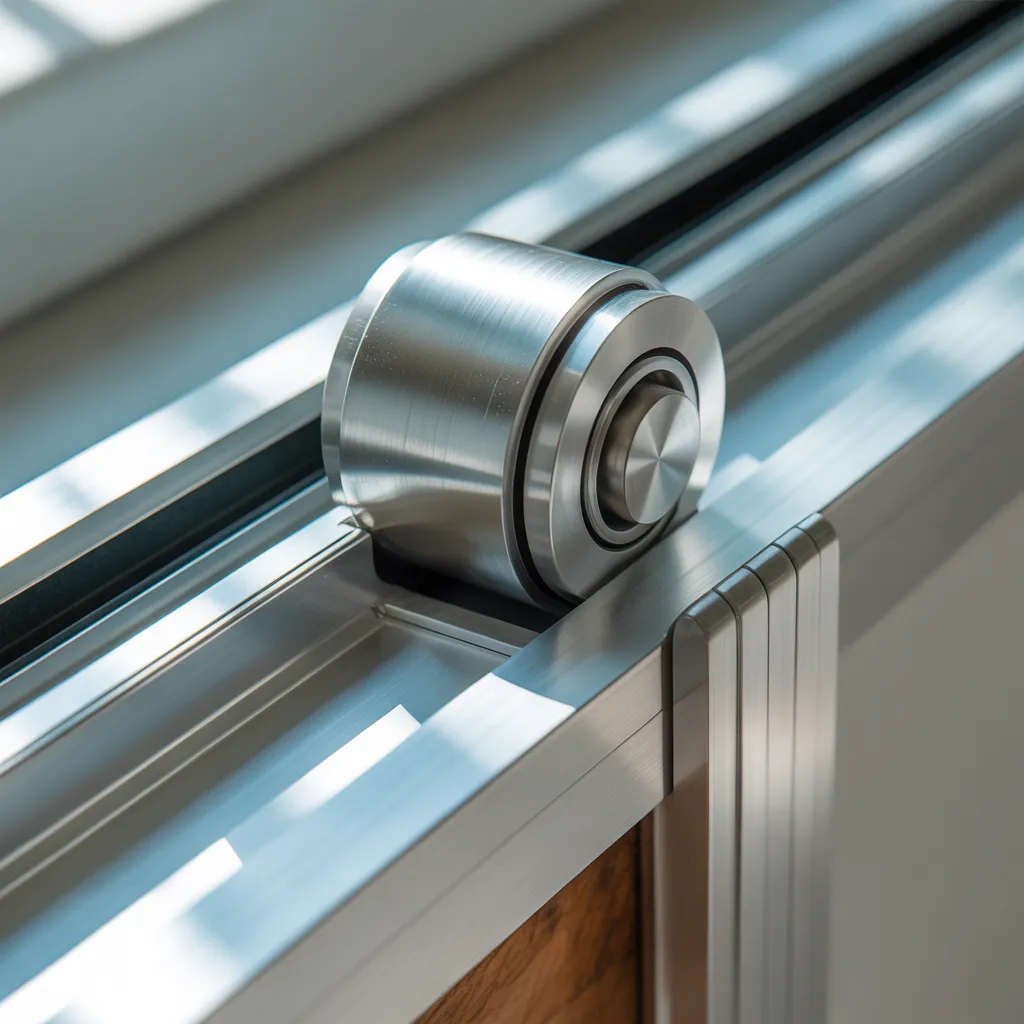
Maintaining sliding doors demands consistent attention to protect their longevity and efficient performance. Frequent cleaning is necessary; dirt, dust, and grime can gather in the tracks, resulting in operational issues. A basic routine consists of removing debris from the tracks and using a damp cloth to clean them. Furthermore, treating the rollers and tracks with silicone lubricant can prevent sticking and enhance overall movement. Inspecting the door seals for wear or damage is critical, as damaged seals can cause air leakage. Moreover, periodically examining the door alignment facilitates the early spotting of misalignments, avoiding larger complications. Finally, addressing any scratches or chips promptly can protect the door's finish and improve its longevity. Following these steps promotes the continued efficiency of sliding doors.
Examining and Resolving Sliding Door Problems
Inspecting and fixing sliding door concerns is crucial for maintaining functionality and security. Common problems include worn-out rollers, misalignment, and sticking tracks, which can frequently be addressed with standard tools. However, identifying when a problem demands professional intervention is equally important to ensure long-term effectiveness.
Common Sliding Door Problems
Sliding doors are prone to various issues that hinder their functionality, which makes it important to detect and tackle these issues without delay. Common issues include misalignment, which commonly results from deterioration of the tracks or rollers. This misalignment can cause the door to stick or not close properly. Another frequent problem is debris accumulation in the track, that can impede the door's fluid motion. Furthermore, weather stripping can degrade with age, resulting in drafts and diminished energy efficiency. Oxidation or corrosion on metal parts can similarly impact functionality. Identifying these problems early allows for timely intervention, keeping the sliding door operating smoothly and safely, thereby improving the overall appearance and utility of the area.
Instruments for Rapid Repairs
Identifying frequent sliding door issues is the first step toward effective repairs. Important tools can considerably streamline the repair procedure. A screwdriver set is vital for tightening or replacing screws, while a utility knife can help trim and install worn weather stripping. A level ensures that the door is properly aligned, avoiding further issues. For particularly difficult problems, a hammer and chisel may be required to adjust or remove stuck tracks. Lubricants such as silicone spray are also essential for maintaining efficient operation. Keeping a fundamental toolkit on hand allows homeowners to address minor issues promptly, boosting the longevity and functionality of sliding doors. Regular evaluations, combined with these tools, can avoid more costly repairs down the line.
When to Seek Professional Help
Many homeowners encounter problems with their sliding doors that can be challenging to address on their own. When issues such as ongoing misalignment, difficulty in opening or closing, or unexpected sounds occur, it may be advisable to seek professional help. Experts have the necessary tools and knowledge to detect complicated problems that may not be noticeable to the inexperienced observer, such as damage to the frame or deteriorated rollers. Moreover, if the sliding door has sustained significant damage or the tracks are extensively rusted, professional involvement is critical to secure proper function and safety. In the end, recognizing the extent of DIY repairs can benefit homeowners by saving valuable time and money, encouraging long-term satisfaction with their sliding doors.
The Way Lubrication Ensures Smooth Sliding
Maintaining smooth operation of sliding doors copyrights on effective lubrication. Adequate lubrication reduces friction between the door and its track, allowing for smooth and easy movement. As time information passes, dirt and debris can collect, causing stiffness and risking potential damage. Regularly applying a suitable lubricant—such as silicone spray or a light oil—helps maintain functionality.
It is crucial to clean the tracks thoroughly before lubrication to remove any obstructions. A clean surface helps the lubricant function at its best, optimizing the door's sliding performance. Furthermore, care should be taken with the rollers, copyrights, as these parts also need lubrication to perform at their best.
Overusing lubricant tends to accumulate more debris, so applying it sparingly is essential. For best results, a regular inspection and reapplication every couple of months can prolong the life of sliding doors, guaranteeing they continue to serve as a practical and attractive element in any household.
Seasonal Care Tips for Optimal Sliding Door Performance
Seasonal changes can considerably impact the functionality of sliding doors, making routine maintenance essential. In the winter months, homeowners should ensure that snow and ice do not accumulate around the door track, as this can impede functionality. Regularly cleaning the tracks of dirt and debris is vital, particularly in spring when airborne particles are prevalent.
Throughout the summer season, it is essential to check for any warping that may occur due to heat. Sustaining a controlled environment can reduce the likelihood of this occurring. In addition, high humidity can influence how the door sits in its frame; using a dehumidifier may help.
In the fall season, fallen leaves may block the track, necessitating frequent cleaning. Inspecting seals and weather stripping during seasonal changes may prevent air drafts and moisture penetration. By adhering to these seasonal care tips, homeowners can be certain their sliding doors maintain both functionality and visual appeal year-round.
When to Seek Professional Help for Repairs
Recognizing the signs that a sliding door needs professional attention is crucial for preserving its functionality and longevity. Property owners should remain alert to concerns such as difficulty in sliding, misalignment, or excessive noise. Should the door fail to close completely or display gaps that undermine security or energy efficiency, seeking professional assistance becomes necessary.
In addition, noticeable harm to the frame, tracks, or rollers might signal more serious underlying issues that require professional repair. A door that consistently derails or slips off its track presents a safety hazard, necessitating immediate intervention.
Moreover, recurring issues that continue despite standard maintenance, such as oiling or cleaning procedures, point to the importance of skilled professional inspection. Neglecting these signals can result in severe damage and high repair costs. By resolving concerns without delay through professional support, residents can maximize the longevity of their sliding doors and confirm they perform efficiently and safely.

Commonly Asked Questions
How Frequently Should I Clean My Sliding Doors?
Specialists advise cleaning sliding doors at least once every three months. However, the schedule may need to increase based on environmental factors, like exposure to dust or pollen, prompting more regular maintenance to maintain top-level function and visual appeal.
Can I Use Vinegar for Cleaning Sliding Doors?
Absolutely, vinegar works well for cleaning sliding doors. The natural acidity in vinegar is highly effective at eliminating grime and stains. However, it's advisable to dilute vinegar with water to avoid potential damage to certain door materials.
What Type of Lubricant Is Best for Sliding Doors?
Silicone-based lubricants are excellent for sliding doors, as they decrease friction without drawing in dirt. Graphite powder is another option, providing a dry lubricant that prevents rust and corrosion, maintaining smooth functionality over time.
Are Sliding Doors an Energy-Efficient Option?
Sliding doors are able to be energy-efficient if properly insulated and fitted with double or triple glazing. Their structural design limits airflow, reducing energy loss, yet their effectiveness heavily depends on the quality of installation and materials chosen.
Is It Possible to Install Sliding Doors on My Own?
Certainly, individuals can undertake sliding door installation on their own, so long as they are equipped with the appropriate tools and skills. Nevertheless, careful measurement, leveling, and adherence to manufacturer instructions are essential for ensuring a successful installation and ideal functionality.